
The Royal House of Stuart
A Living Heritage of Scotland’s Royal House
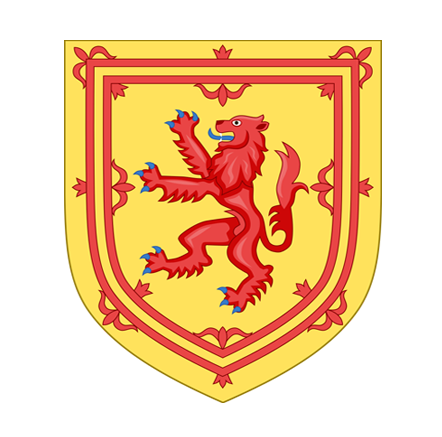
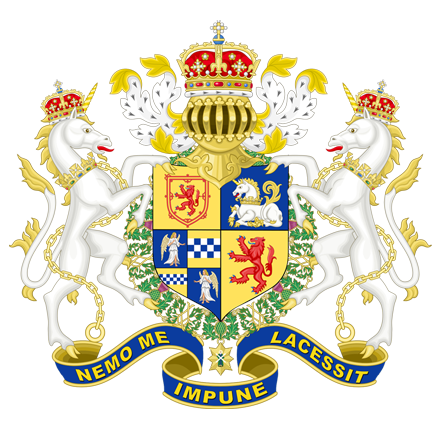
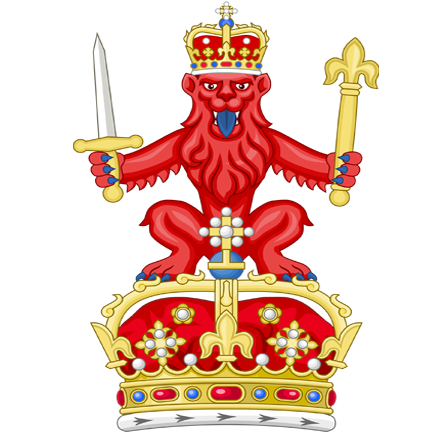
The Royal House of Stuart, originally known as Stewart, boasts a rich and intricate history that spans several centuries, influencing not only Scotland but also England, Ireland, and later Great Britain. The Stuart name is derived from the esteemed position of the High Steward of Scotland, a role first established by the family’s progenitor, Walter fitz Alan, in the mid-12th century, around the year 1150. Walter fitz Alan’s descendants carried the title and power of High Steward, with the name Stewart becoming the established family surname by the time of his grandson, Walter Stewart.
The rise of the Stewart family to royal prominence began with the reign of Robert II of Scotland in 1371. He was the first monarch of the Stewart line, succeeding his father, King Robert the Bruce. As King of Scots from 1371 until his death in 1390, Robert II began a legacy that would stretch over two centuries. His reign marked the beginning of the Stewart dynasty’s dominance in Scotland and later influenced the English and Irish thrones following the Union of the Crowns in 1603.
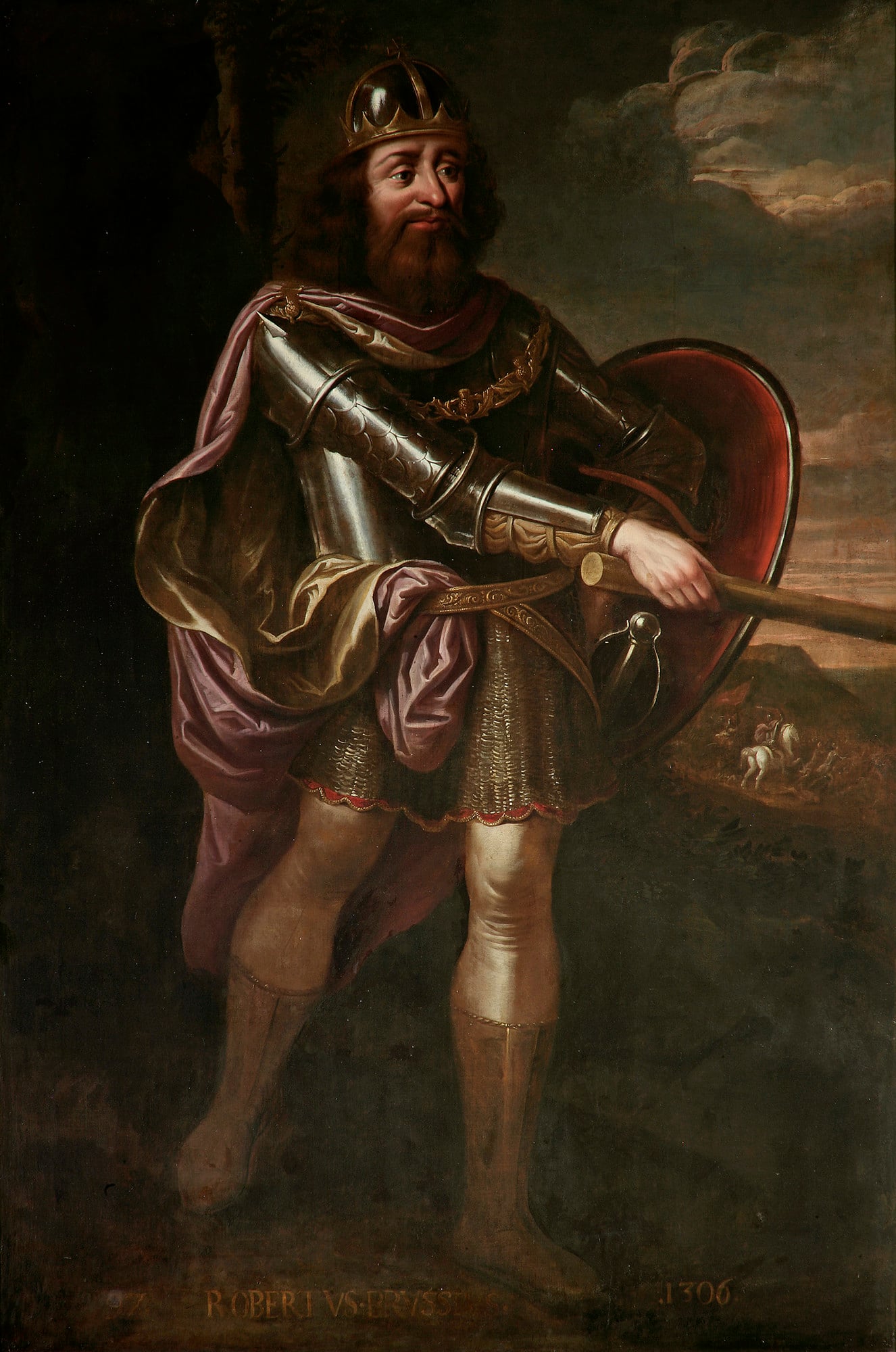
The history of the Stewart family is inseparable from the figure of Robert the Bruce (1274–1329), one of Scotland's most revered heroes. As King of Scots, he led Scotland in the wars for independence against England. His triumph at the Battle of Bannockburn in 1314 secured Scottish independence and established him as a national symbol of sovereignty and resistance.
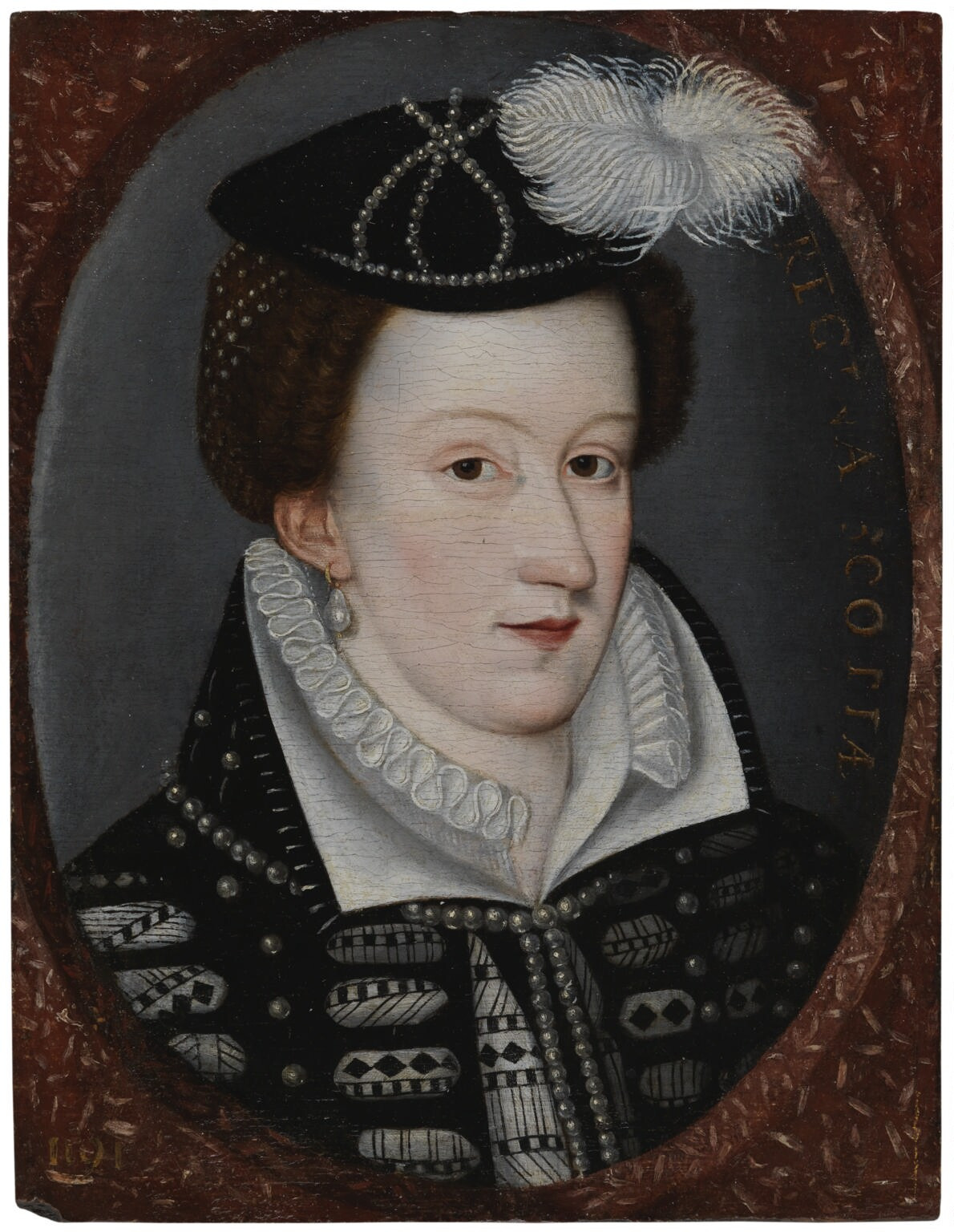
The legacy of the Stewarts grew stronger with the birth of Mary, Queen of Scots (1542–1567). Raised in the French court, she adopted the French spelling “Stuart.” Her reign was marked by political intrigue, religious conflict, and personal tragedy, ultimately leading to her execution under Elizabeth I of England.
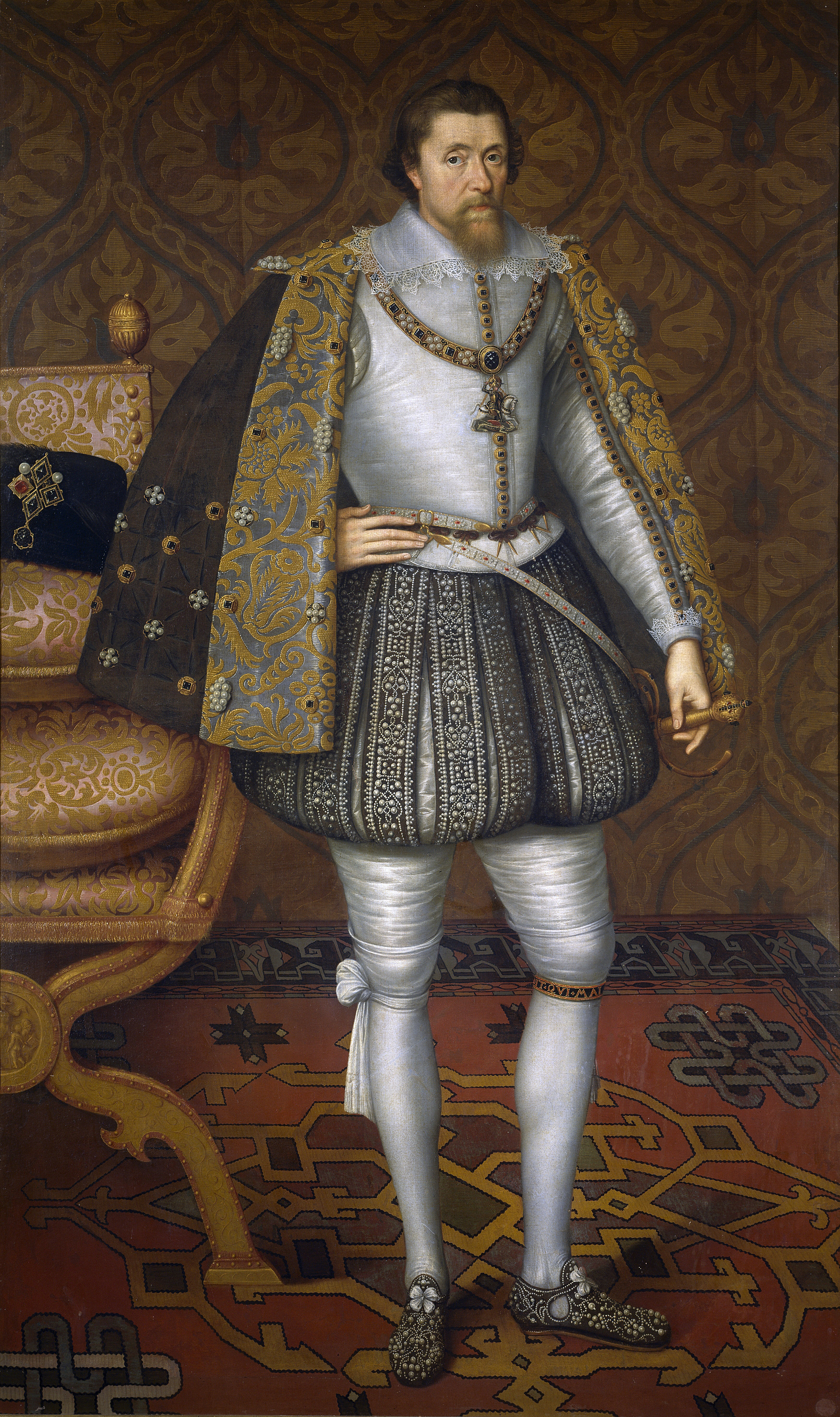
The Stewart/Stuart dynasty continued through a succession of monarchs, with nine kings and queens ascending the Scottish throne between 1371 and 1603. James VI of Scotland, who also became James I of England in 1603, united the crowns of Scotland and England, marking a turning point in British history and the formation of a shared monarchy.
In the aftermath of the Glorious Revolution of 1688, Mary II and Queen Anne ascended the throne. Queen Anne was the last Stuart monarch, and her death in 1714 marked the end of Stuart rule and the beginning of the Hanoverian era.
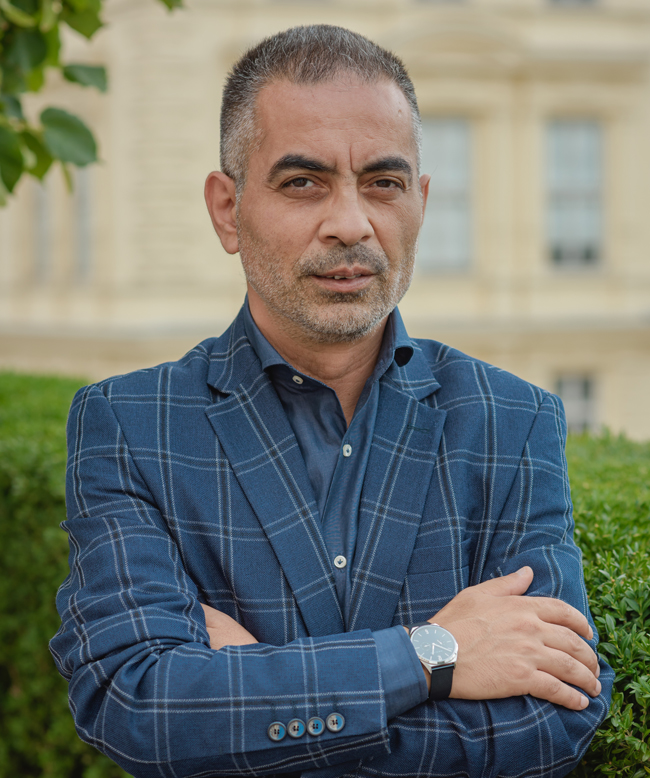
Today, the senior heir of the Royal Stuart House Dynasty is HRH Bruce II (Bruce Palmer Alexander Stuart). As the current head of this historic house, he carries forward the legacy, heritage, and traditions of the Royal House of Stuart.

Sovereigns of Scotland
Portraits of the Kings and Queens who shaped the Scottish Realm
King of Scotland
King of Scotland
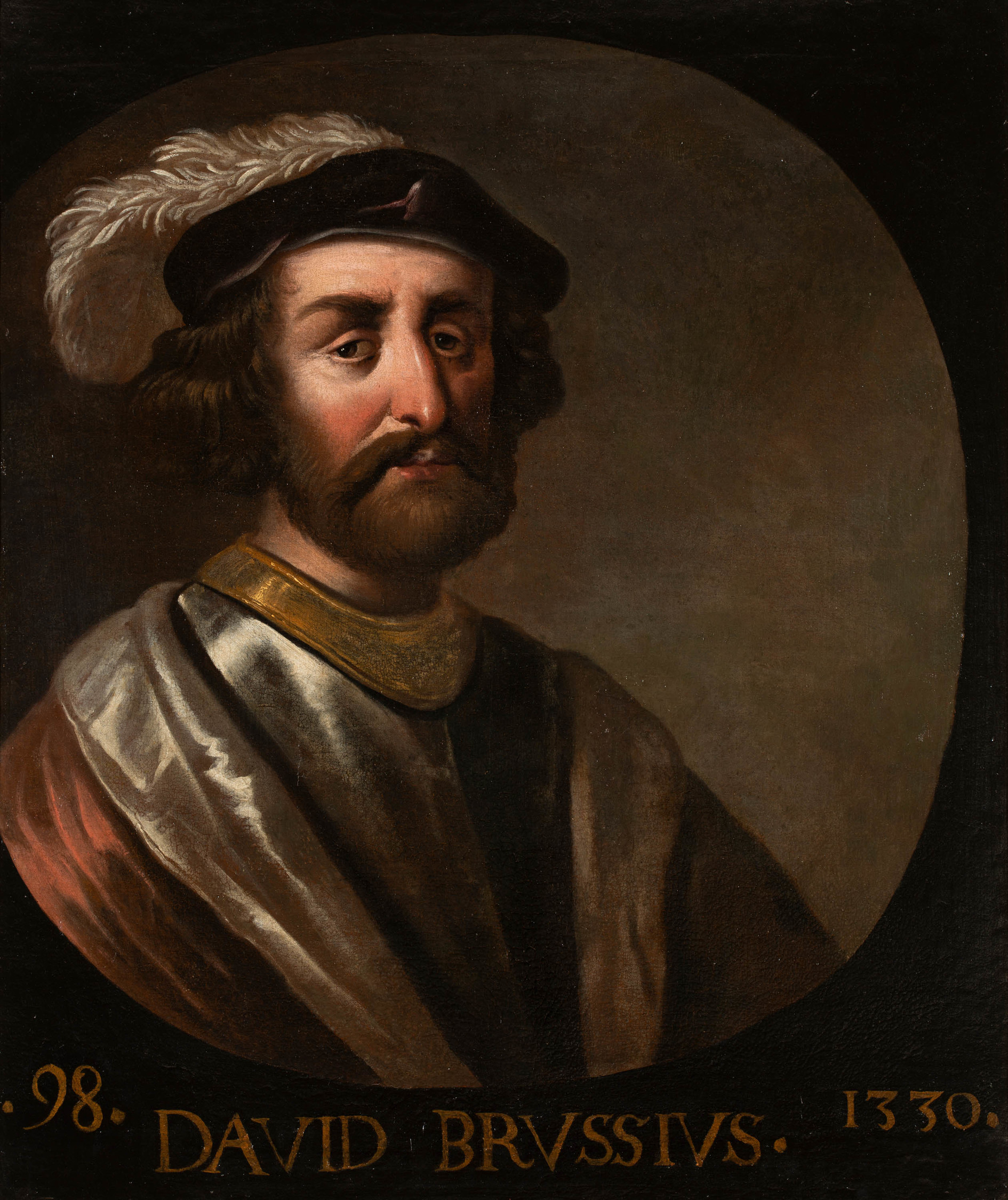
King of Scotland
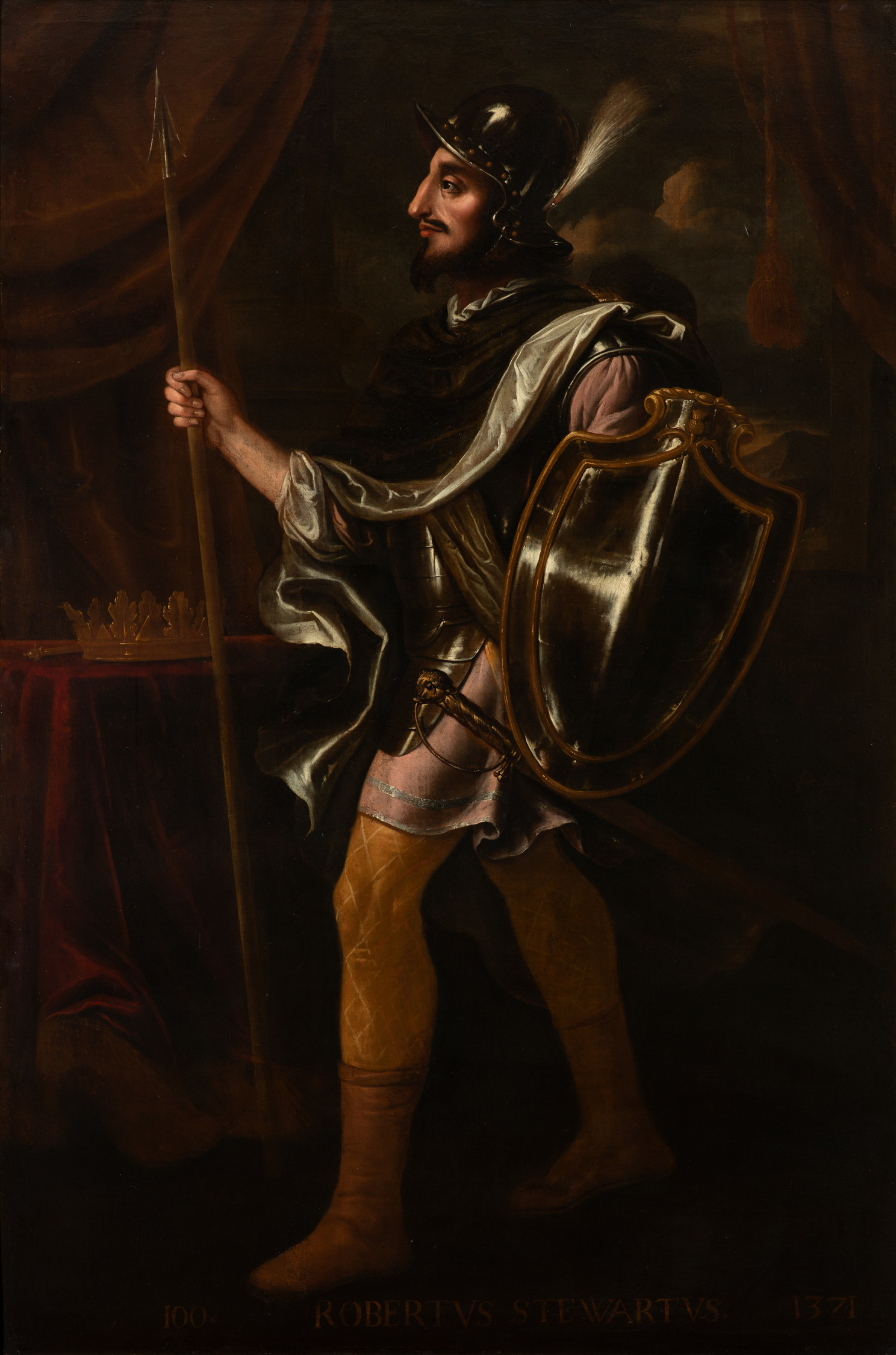
King of Scotland
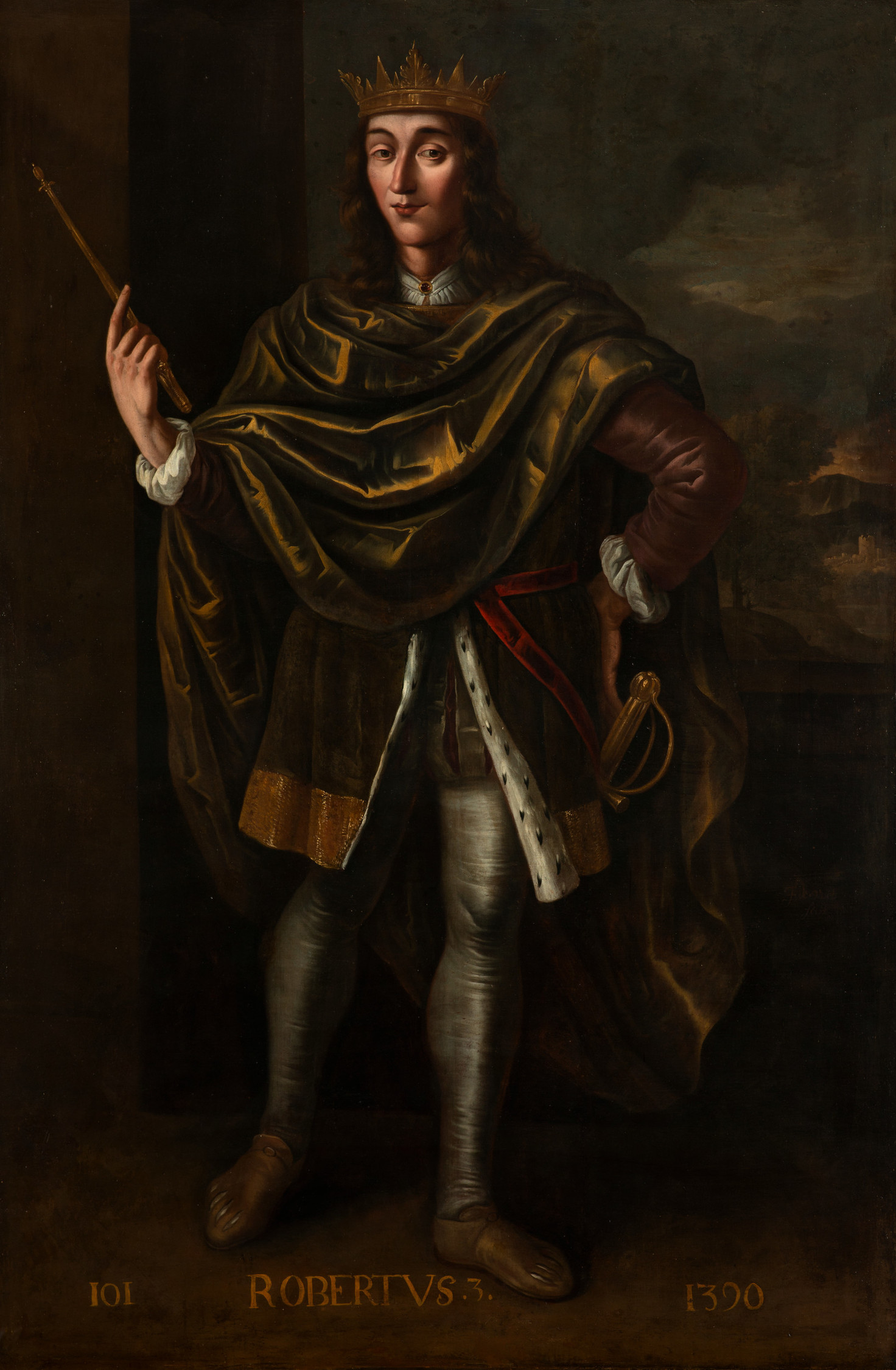
King of Scotland
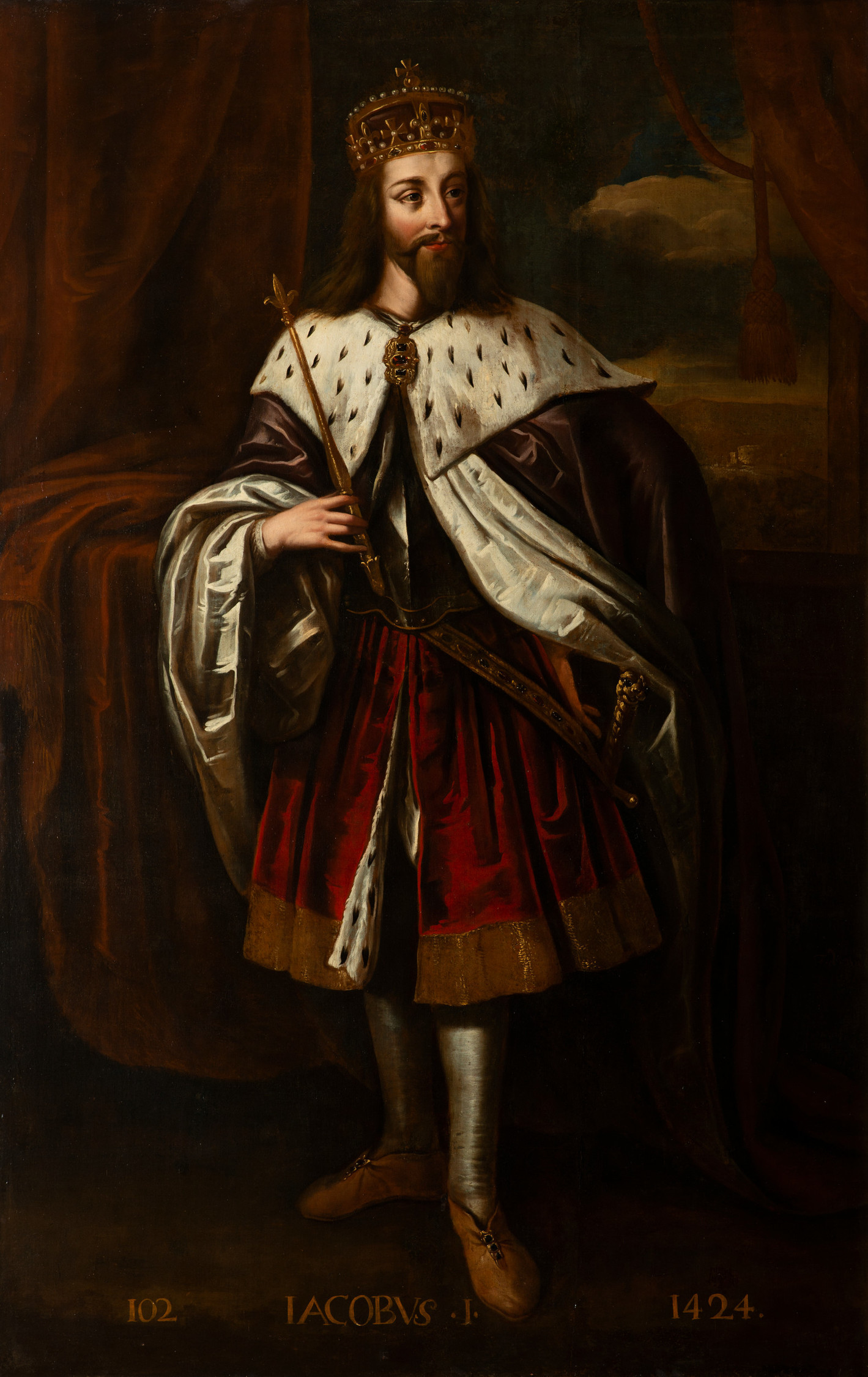
King of Scotland
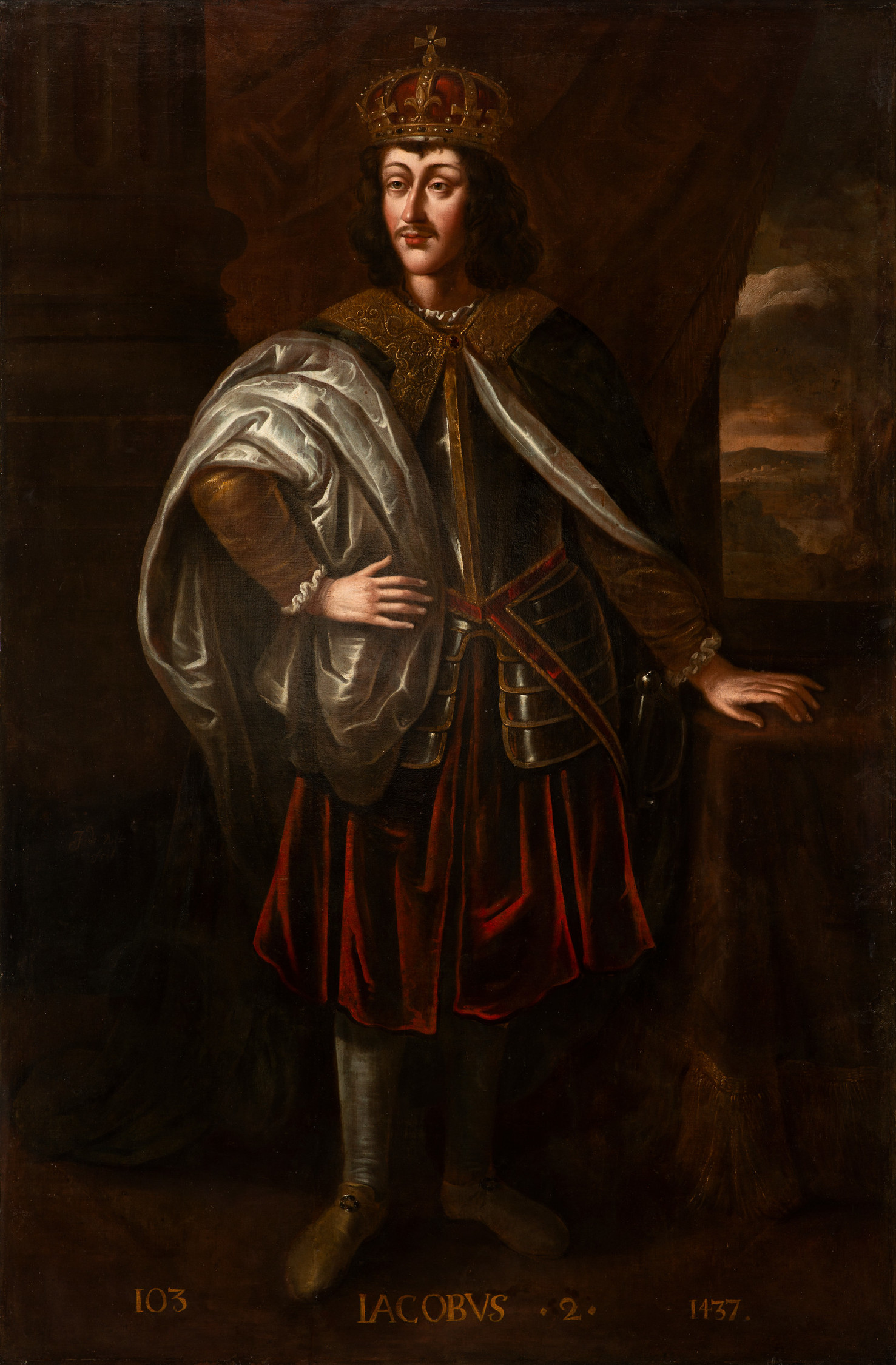
King of Scotland
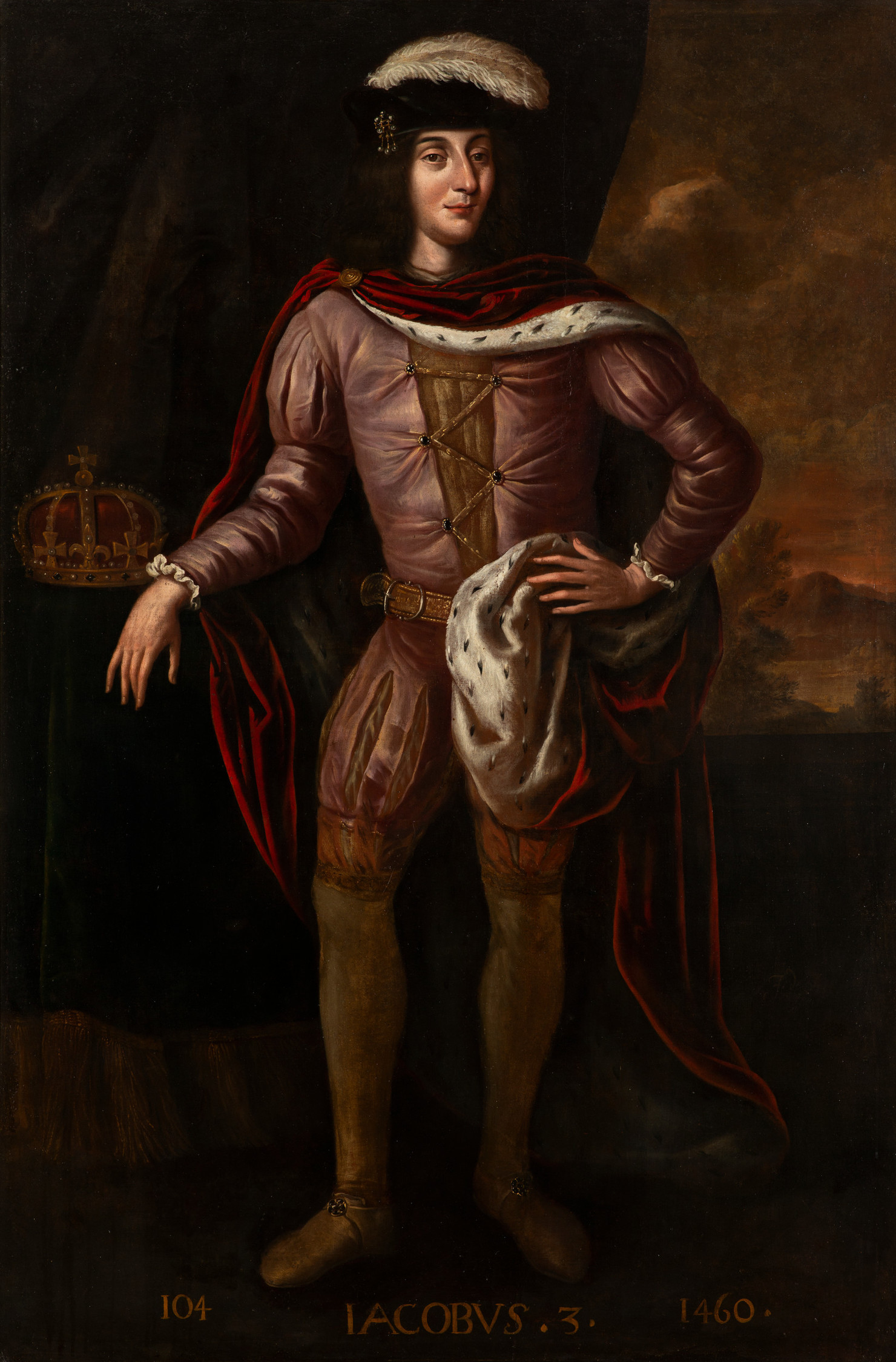
King of Scotland
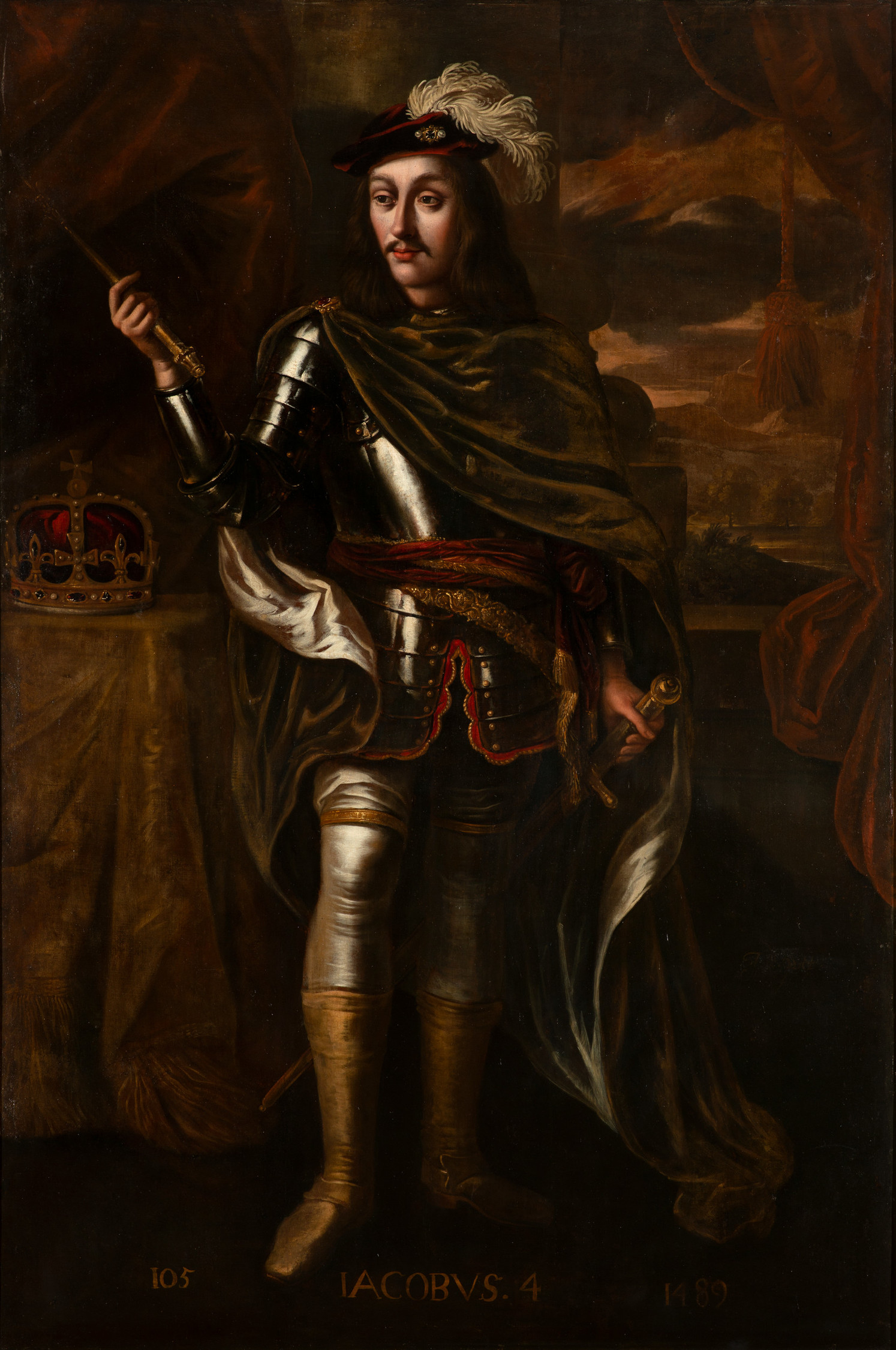
King of Scotland
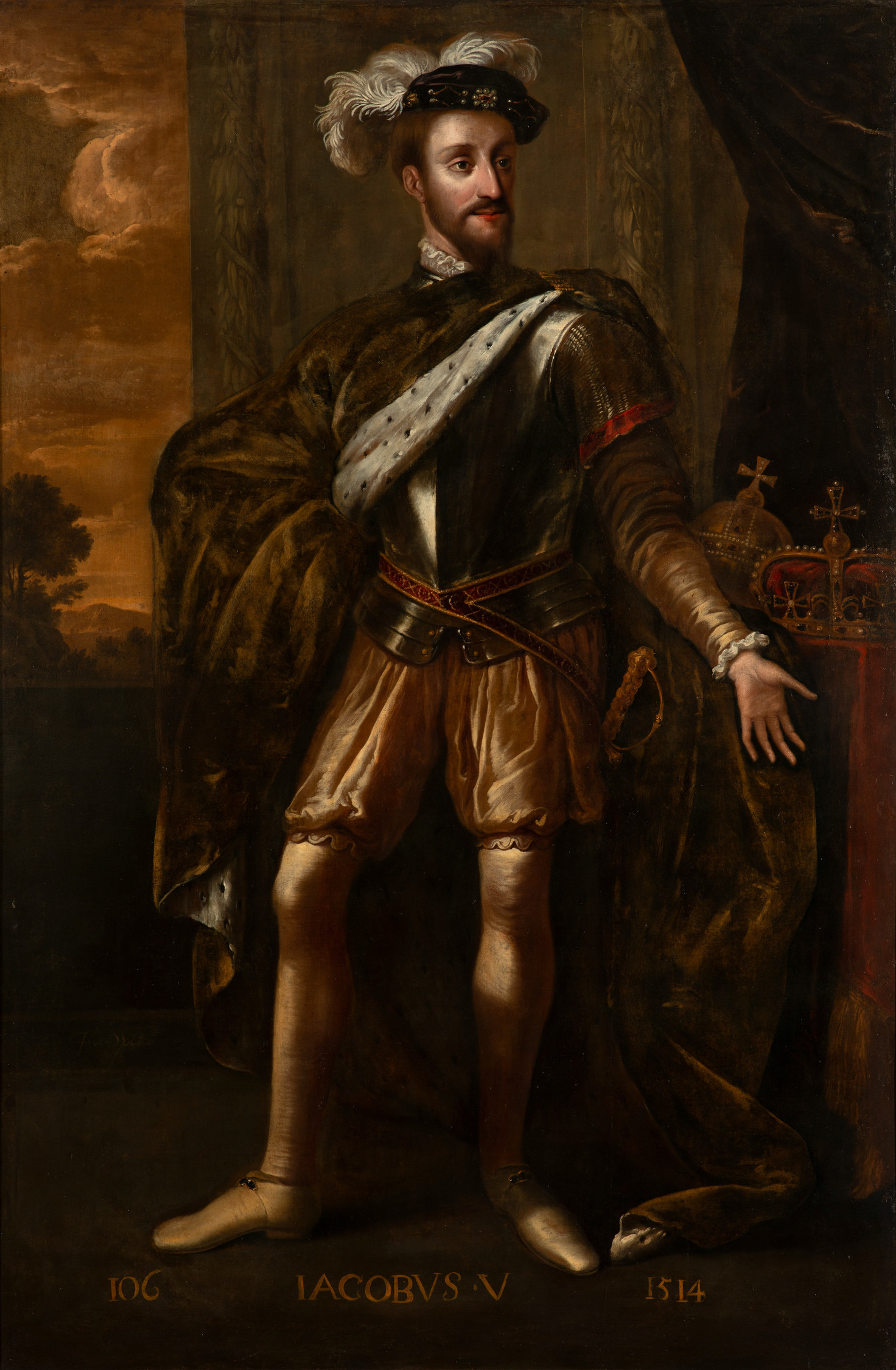
Queen of Scotland
King of Scotland
King of Scotland
King of Scotland
King of Scotland
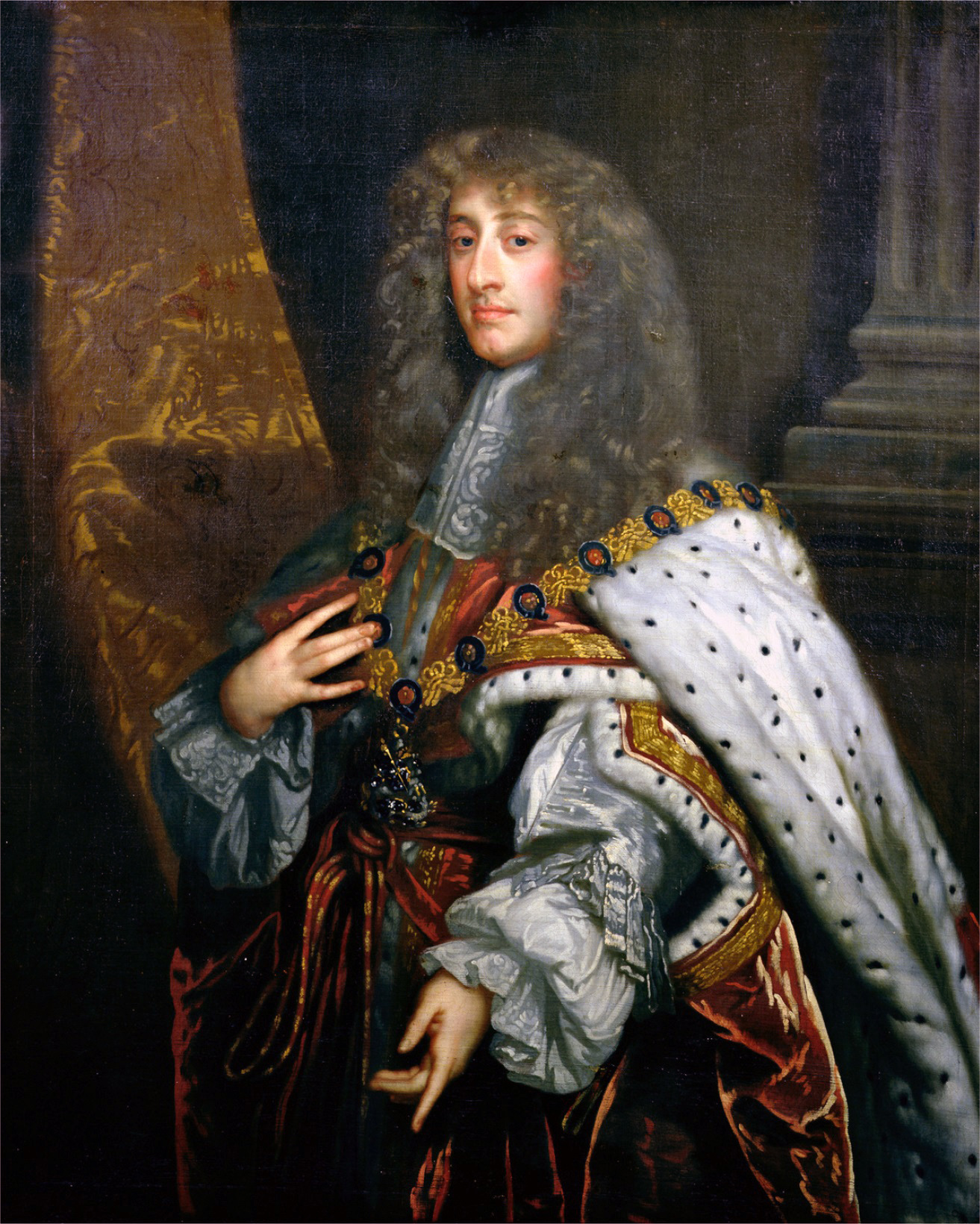
Queen of Scotland
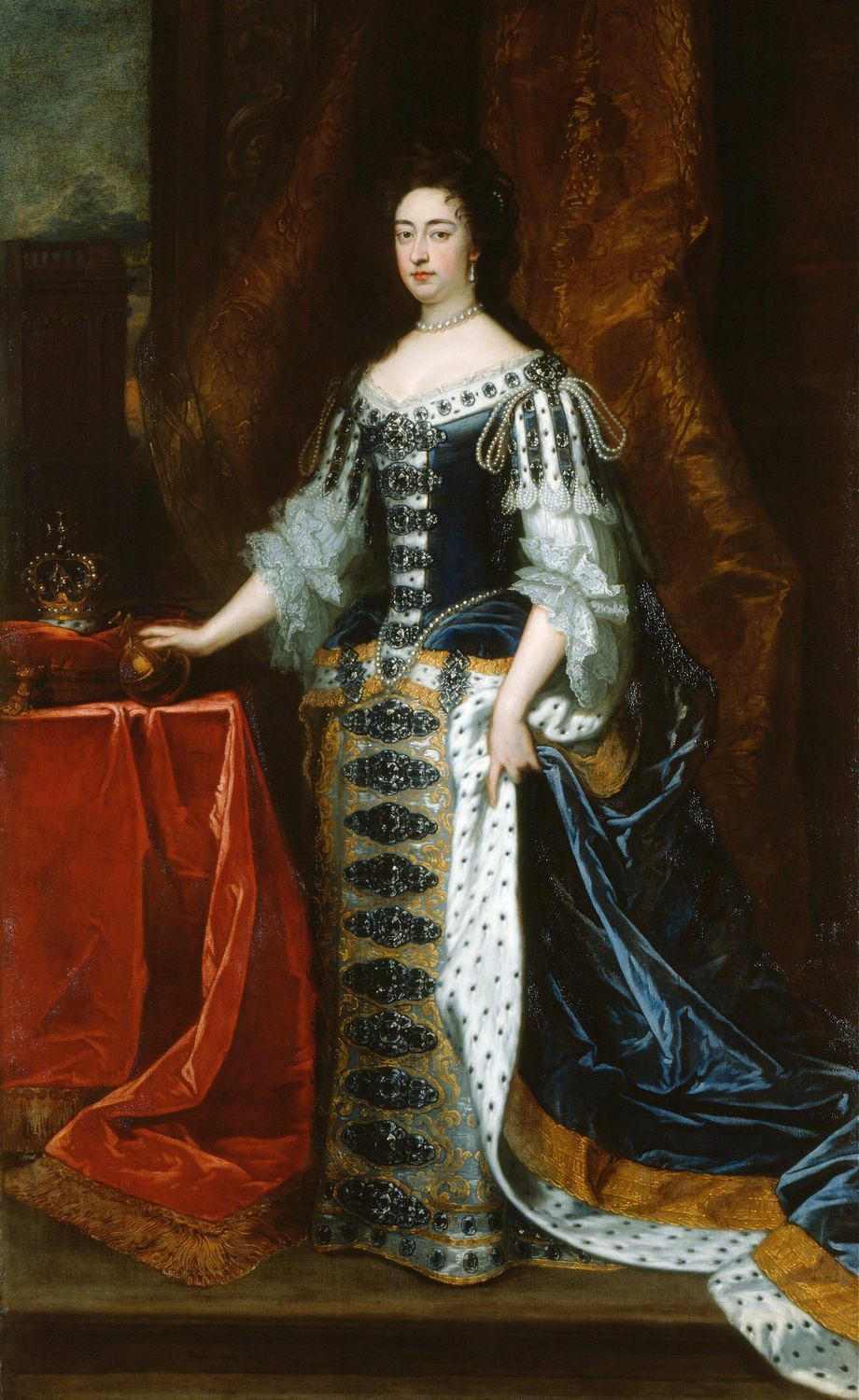
Queen of Scotland
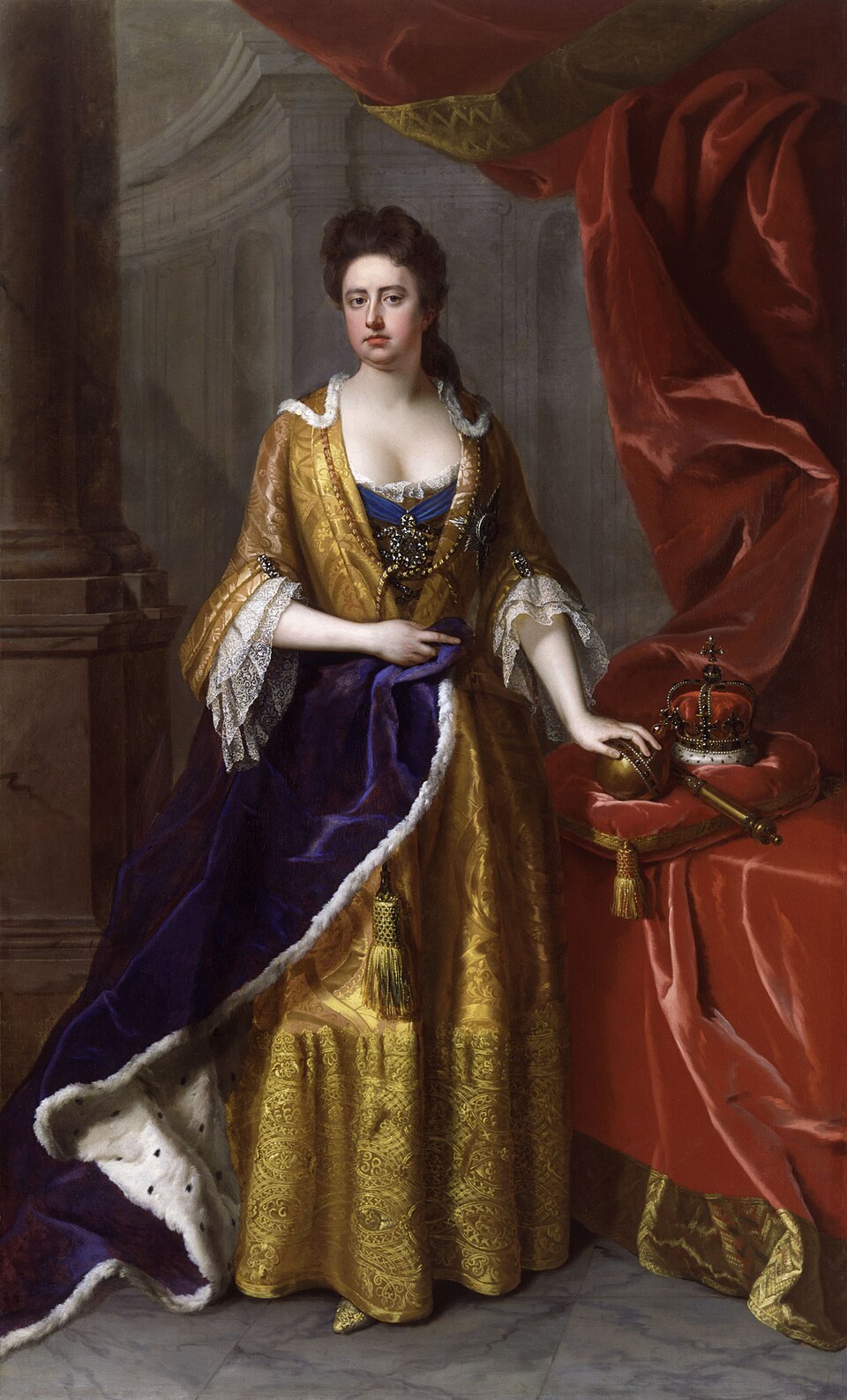
Head of the Royal House of Stuart
Prospective King of Scotland