
Alba - Scotland
Scotland, with its
ancient history, distinctive culture, and breathtaking landscapes, stands among the most remarkable nations of
Europe. According to traditional accounts, the foundation of the nation dates back to the 9th century BC, when
Kenneth MacAlpin united the Picts and Scots under a single crown. This union laid the foundations of Scotland’s
political and cultural identity and marked the birth of an independent monarchical tradition. Over the centuries,
Scotland maintained its sovereignty, governed by its own laws, cultural institutions, and royal
establishments.
Throughout its history, the Scottish monarchy has witnessed the prominence of the House of Stuart, one of the
most influential and defining dynasties of the realm. From the 14th century onwards, the Stuarts embodied royal
legitimacy, dynastic continuity, and the principles of national sovereignty. The eventual union of the Scottish
and English crowns further elevated the Stuart legacy, shaping the political and cultural course of Britain and
earning them a distinguished place among European monarchies.
In contemporary times, developments concerning Scotland’s future have gathered momentum, and the resolve to
restore the nation’s historical sovereignty grows ever stronger. Within this vision, it is envisaged that
Scotland will, in the near future, attain independence from England and the English Crown; the venerable heritage
of the House of Stuart shall be represented through His Royal Highness Bruce and his family, reaffirming the
continuity of Scotland’s monarchical tradition. This understanding signifies not merely a reverence for the past,
but the embodiment of a free, sovereign Scotland, governed in accordance with its own historical identity.
The history of Scotland is not merely a chronicle of the past, but a living legacy, a continuous identity carried
through the ages. The Royal House of Stuart regards the preservation, representation, and transmission of this
heritage to future generations as a solemn duty and enduring responsibility.
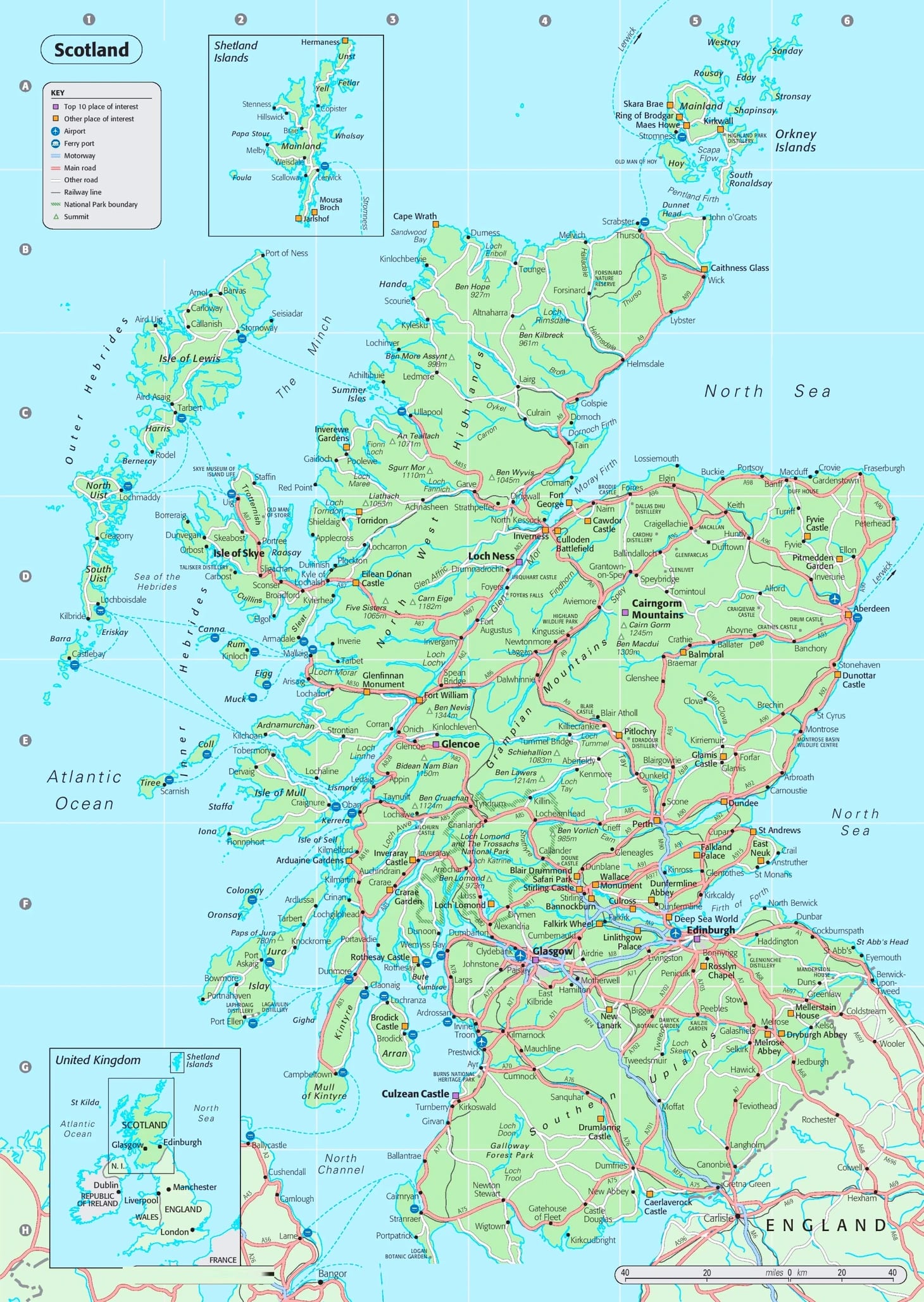
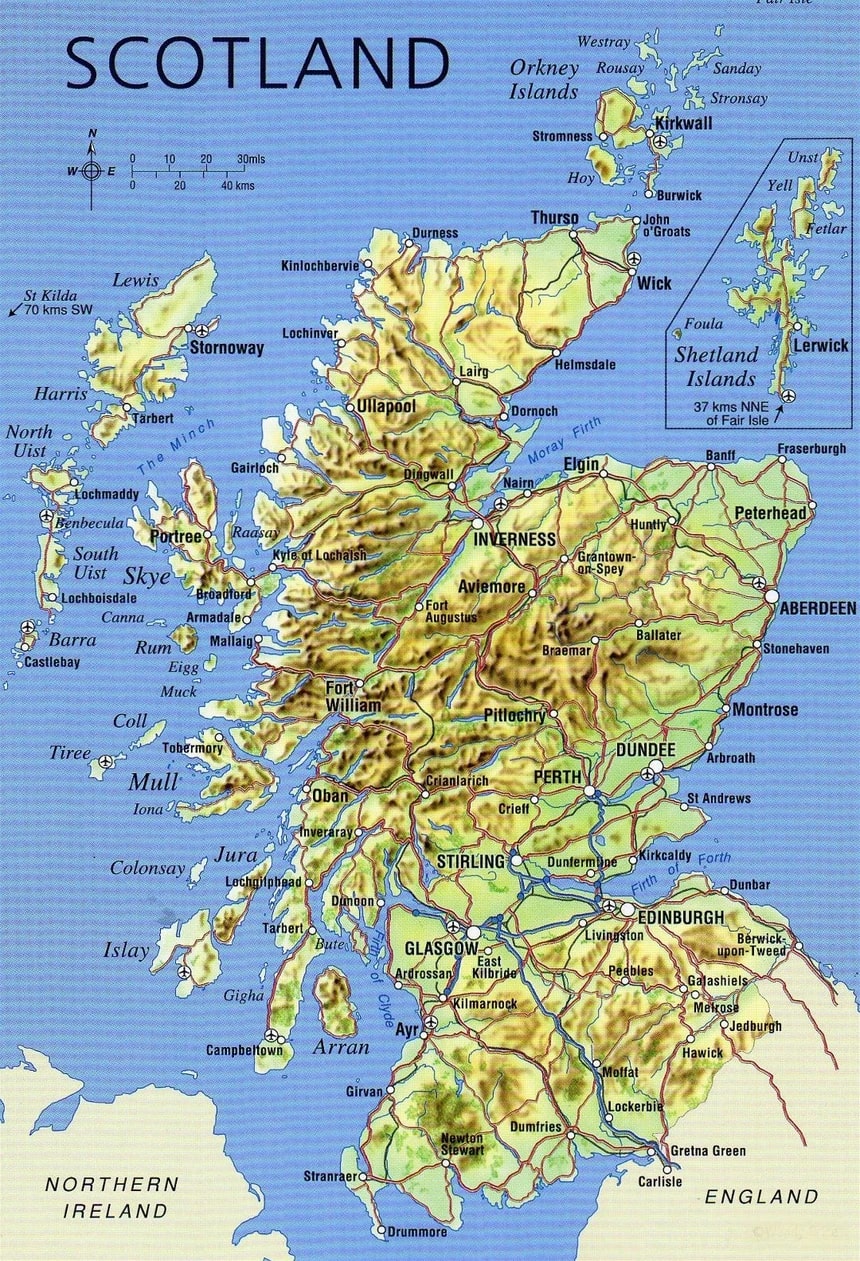
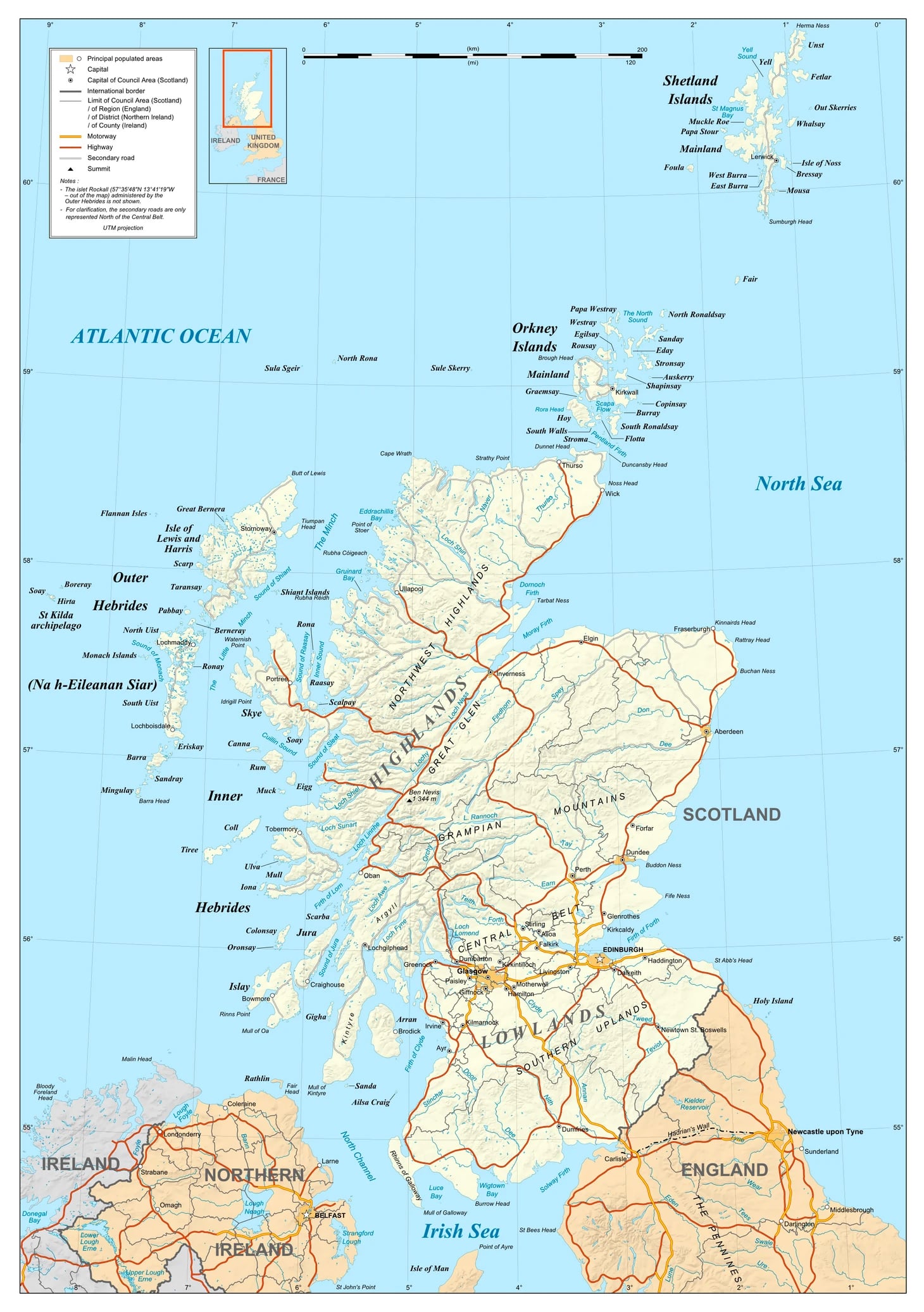
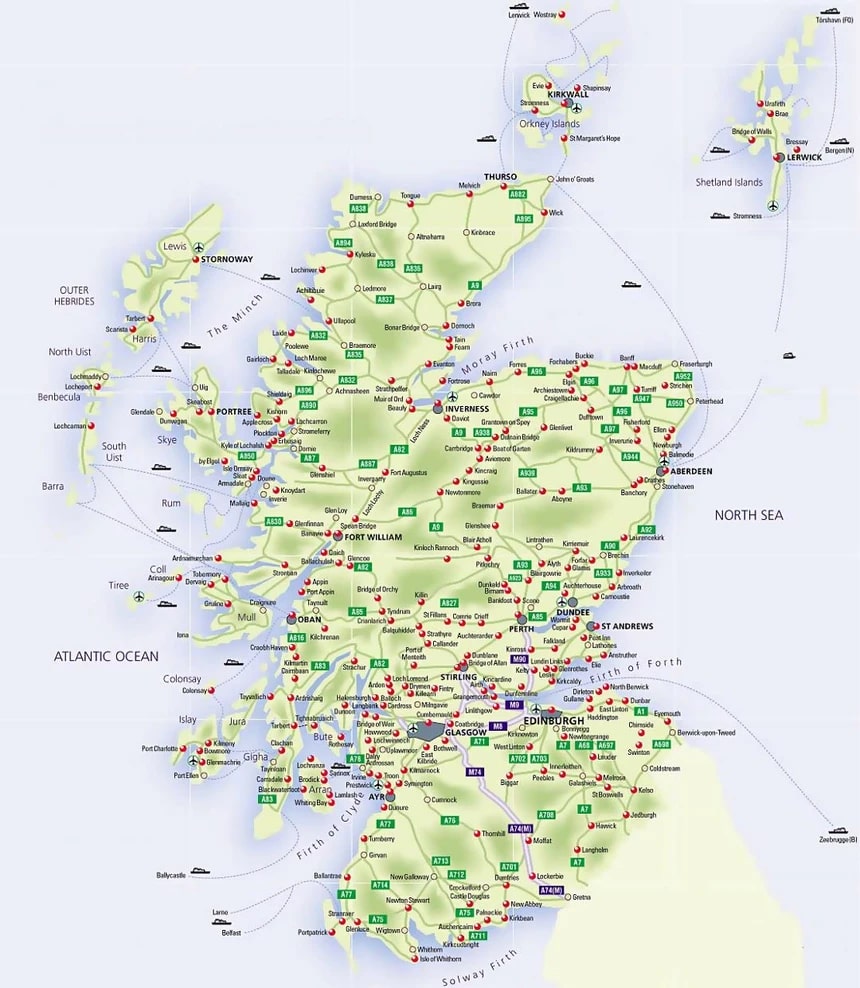
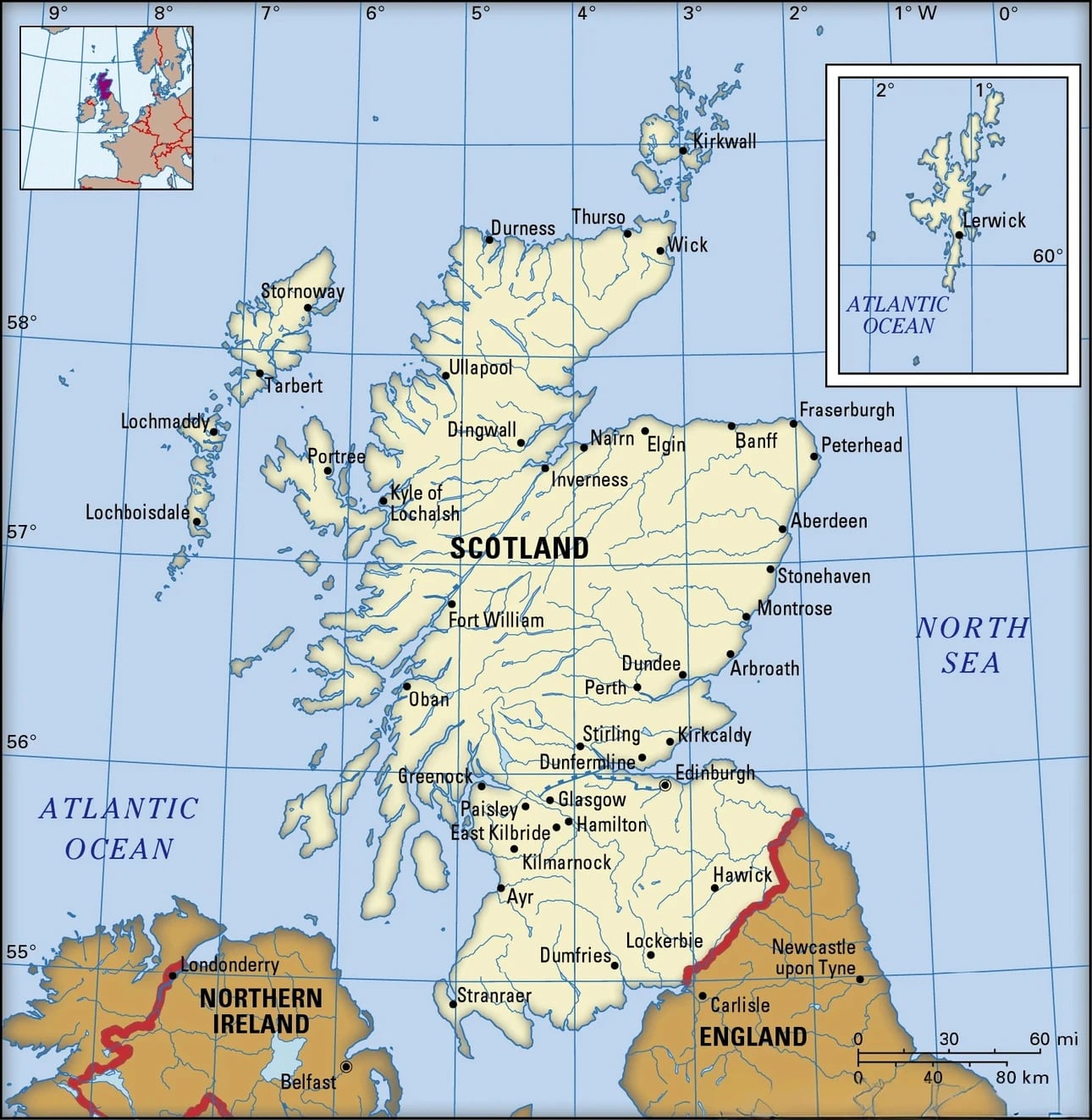
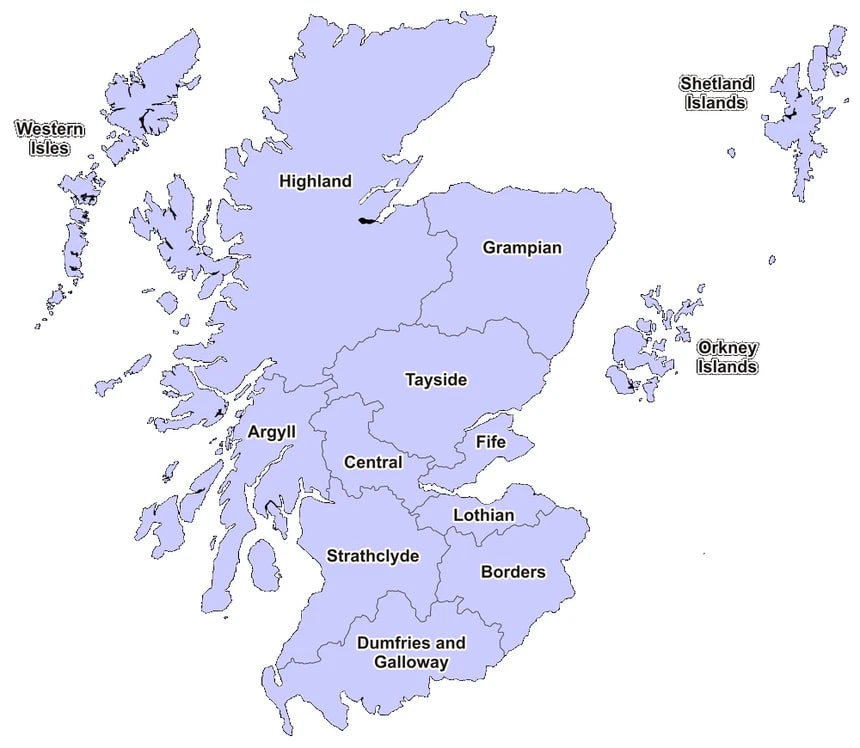
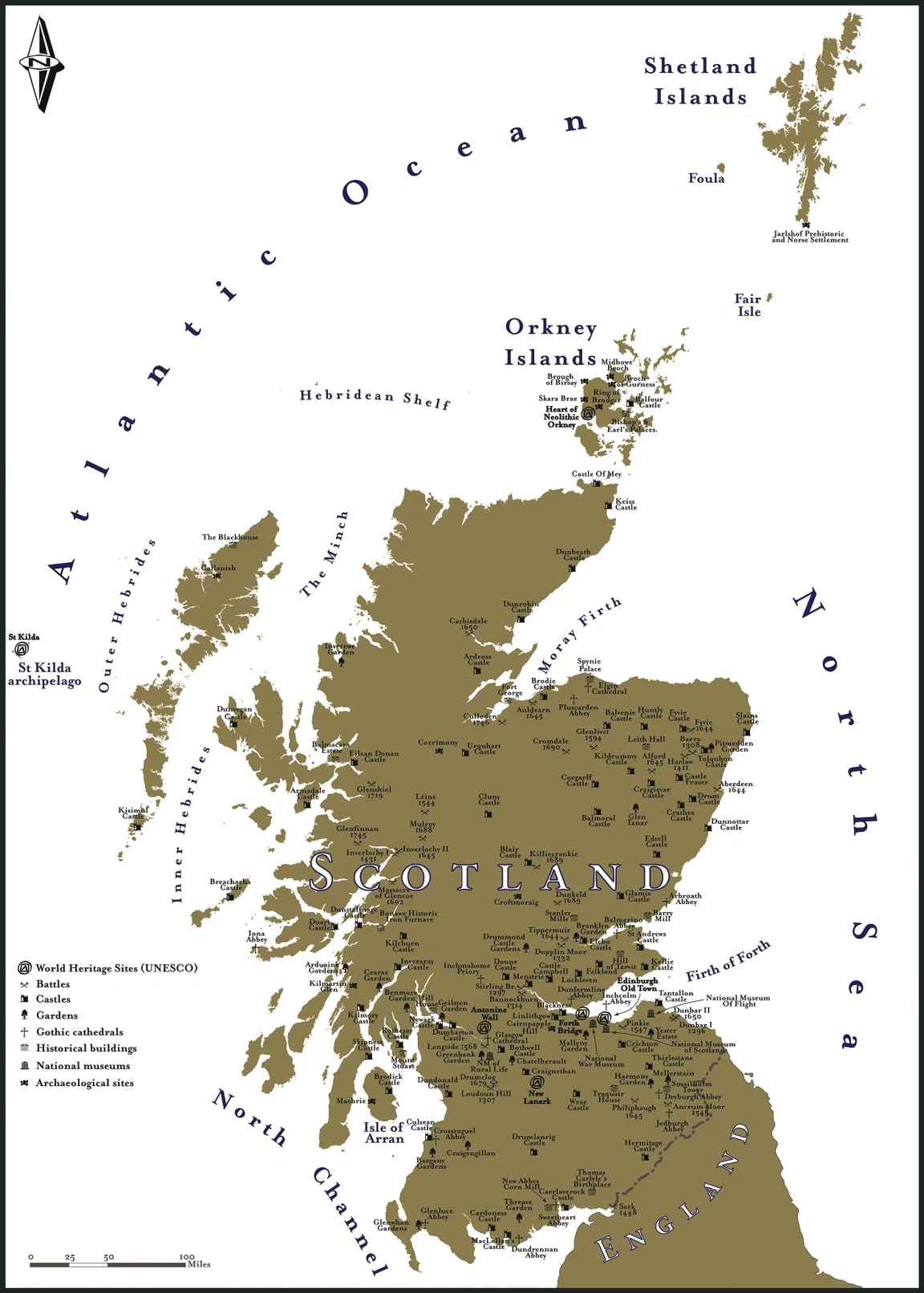
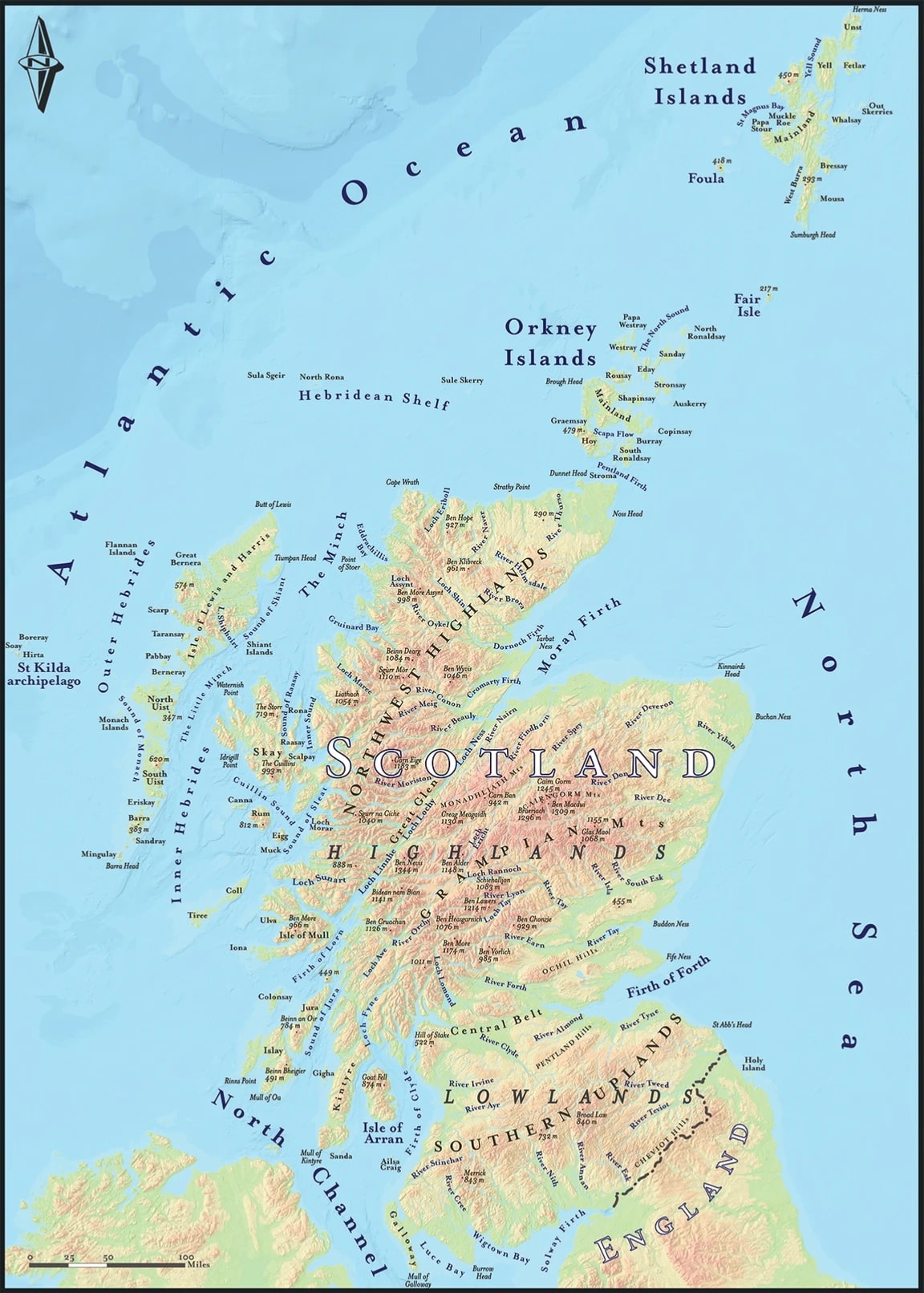
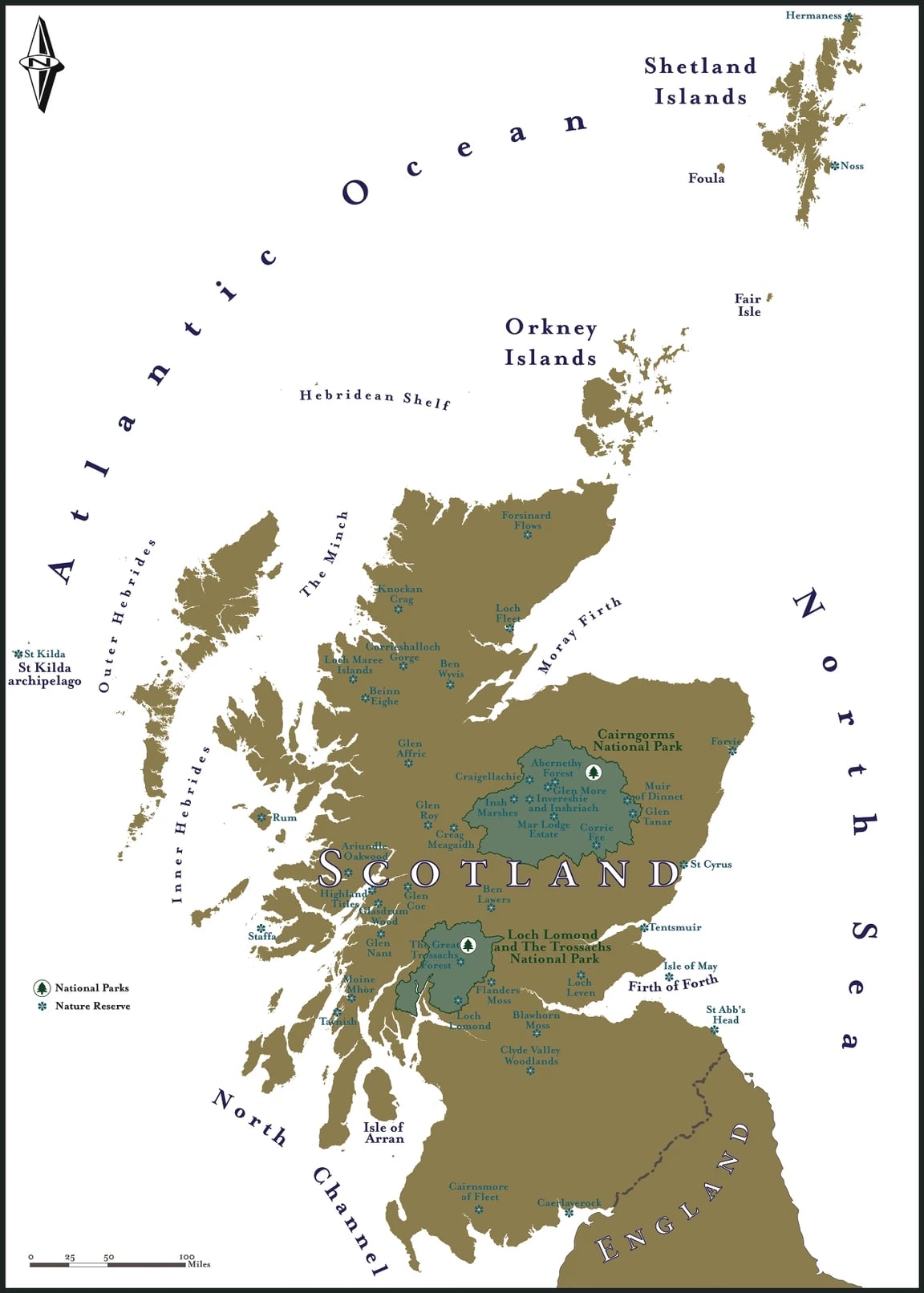
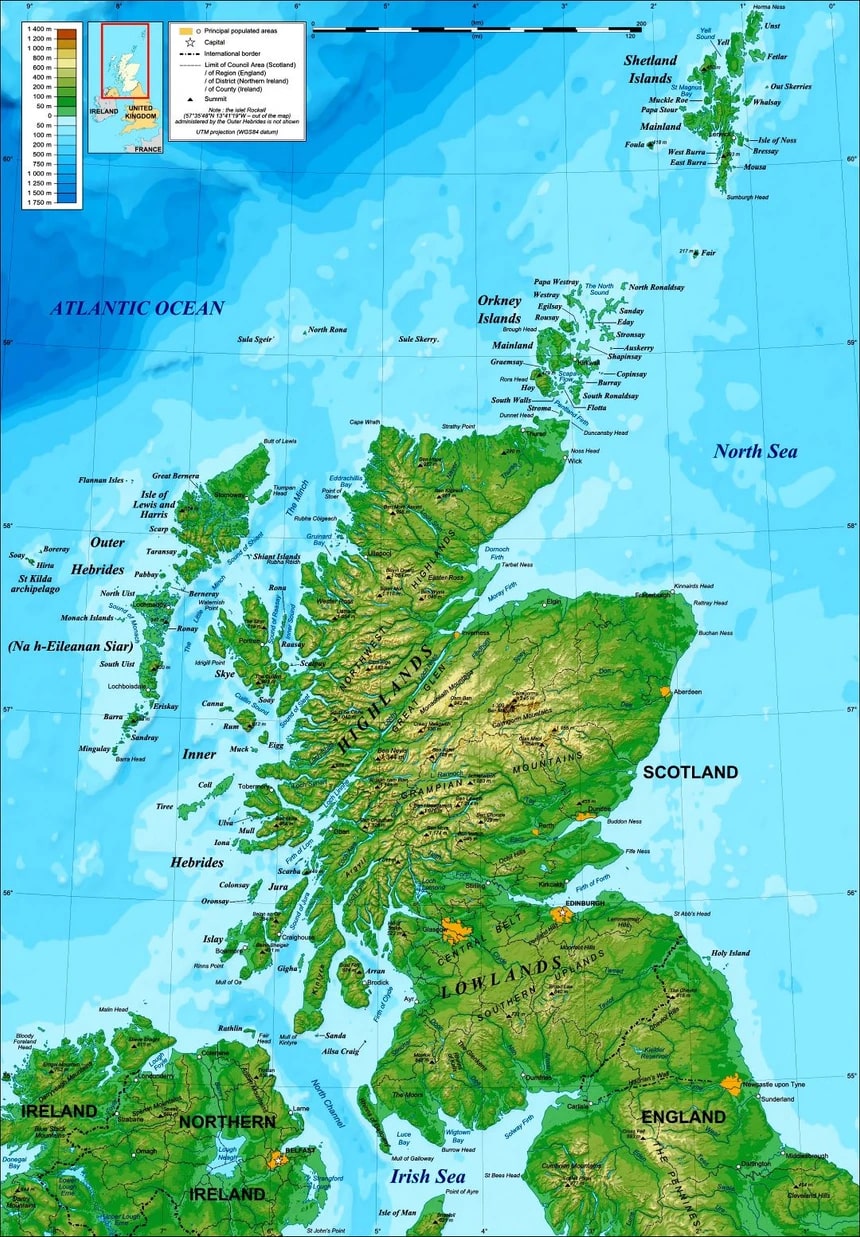
These maps present Scotland as a nation with its own distinct geography, regions, and historic landmarks. They depict the country’s principal cities, administrative areas, notable historic sites, rivers, national parks, and topography. Scotland is a country in its own right, separate from England, with a heritage, governance, and landscape that are uniquely its own. Each map provides a formal reference to the nation’s geographical and cultural identity.